
PRP and injections
High-dose PRP, cortisone and hyaluronic acid in Burlington for joint and tendon problems, by a sports medicine physician.
Which one fits?
For osteoarthritis, bursitis, cartilage injuries, frozen shoulder, joint pain and some tendon injuries. The goal: less inflammation, better movement and a return to activity, without surgery. Your physician recommends the right option, or none, after a consultation.
High-dose protocol
Not all PRP is the same.
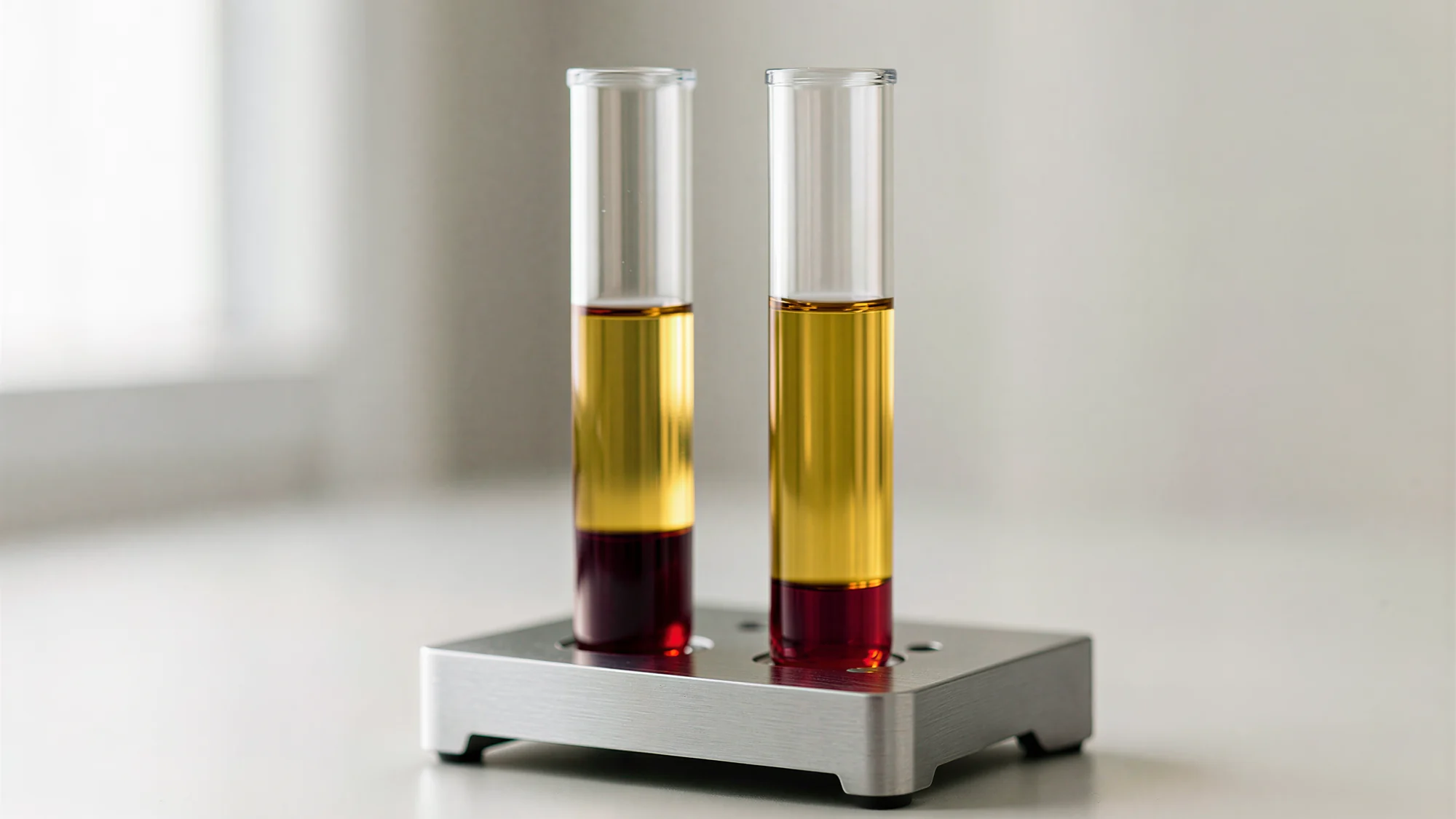
SHIELD uses a high-dose preparation: two injections one to two weeks apart, delivering up to 20 billion platelets to the injury, every injection under real-time ultrasound guidance.
Three steps to start
- ConsultationCall or send a request to see Dr. Armstrong and find out if an injection is right for you.
- Your procedureReal-time ultrasound guidance, with local anesthetic for comfort. PRP is drawn and prepared on site.
- Recovery planYou go home shortly after. Mild soreness for a day or two is common, and most people are back to normal daily activity within a few days. You get instructions and rehab if needed.
Real-time ultrasound guidance, every time.
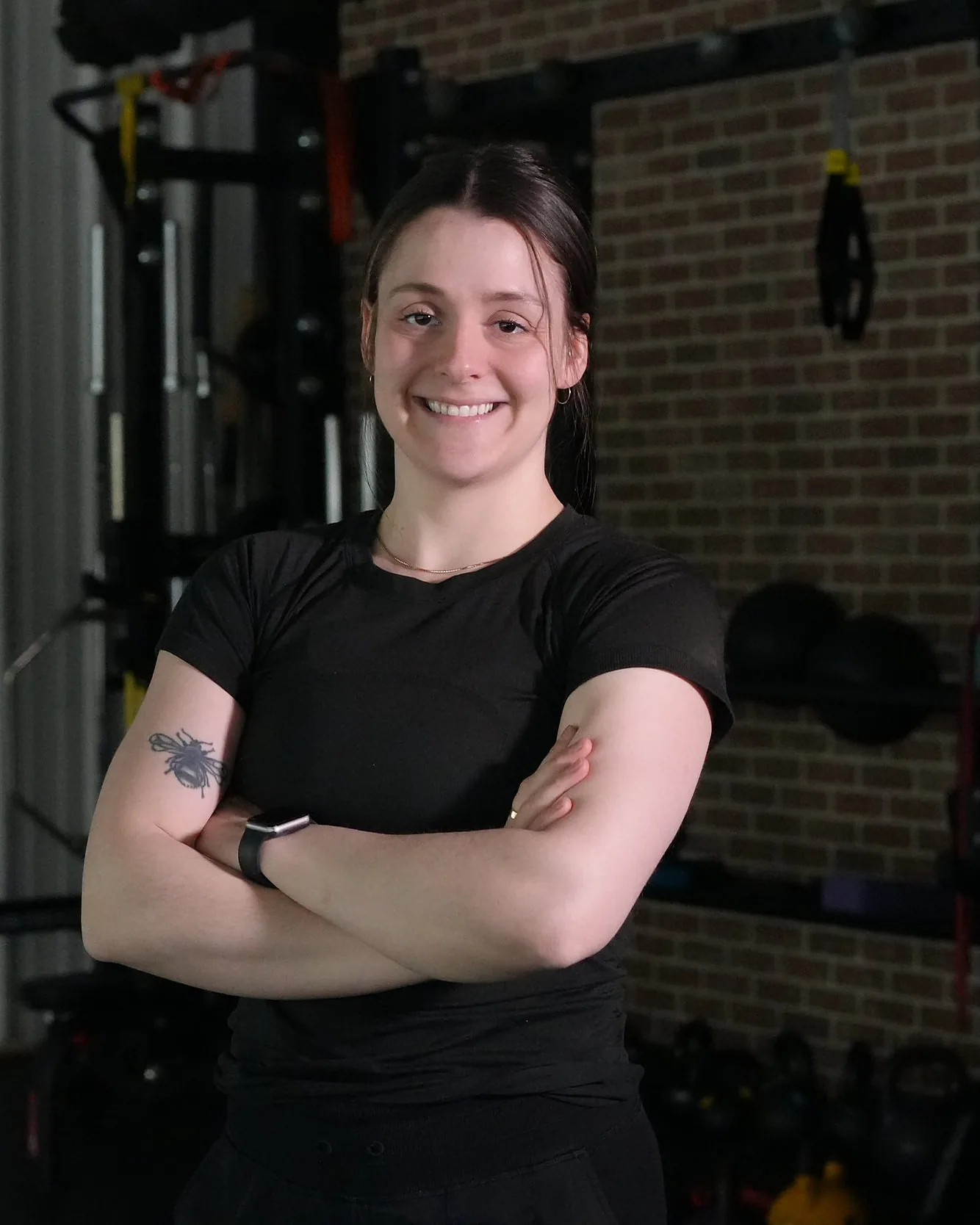
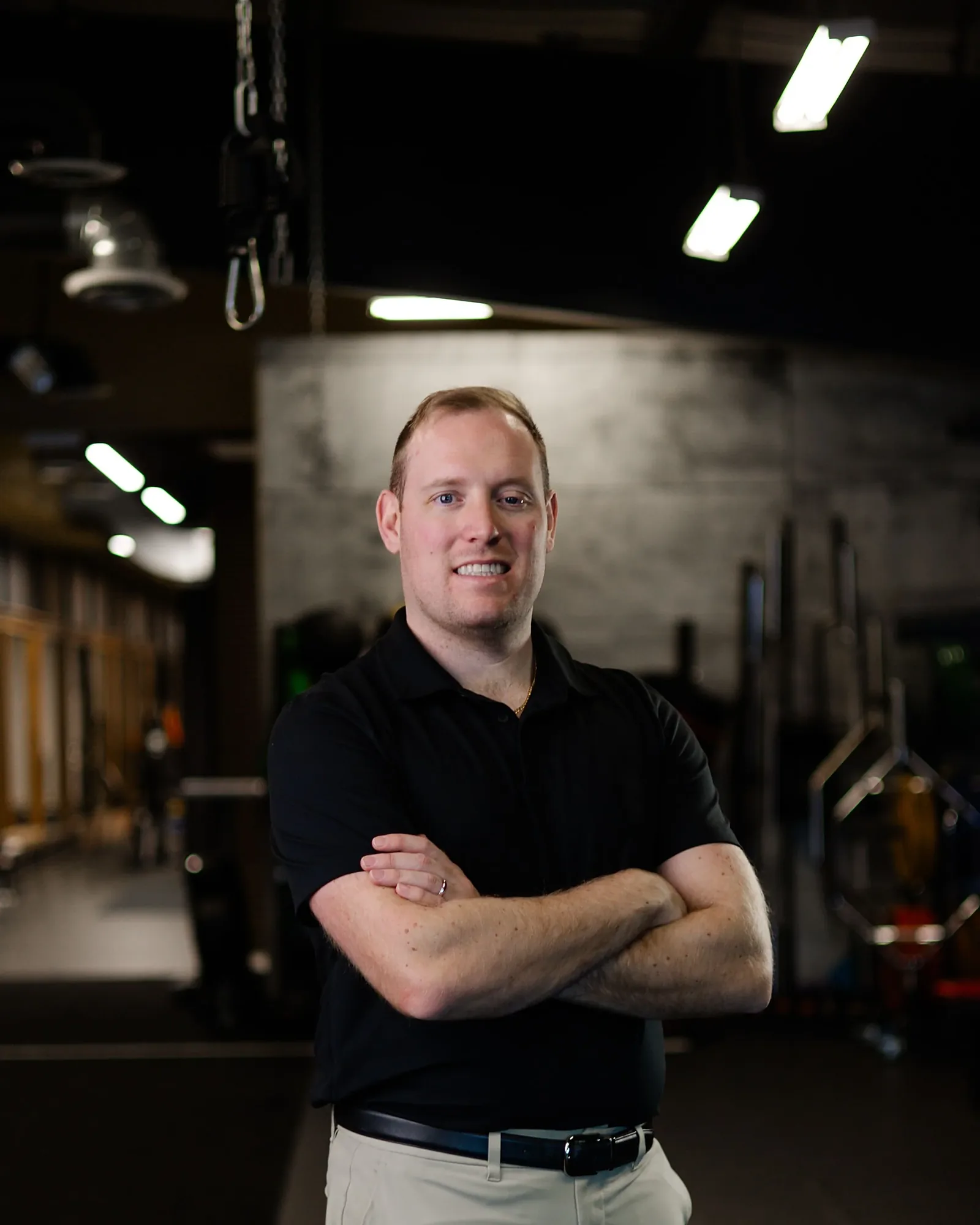
Dr. Wesley Armstrong
Sport medicine physician, MD, FRCPC, with advanced training in ultrasound-guided injections and regenerative medicine.
- Sport Medicine fellowship, University of Toronto
- Associate Team Physician, Alpine Canada
- NHL, CFL, European pro soccer and NCAA Division I experience
- Assistant Clinical Professor, McMaster + Toronto Metropolitan University
Quick answers
How do I know which injection I need?
Start with a consultation. Your physician assesses your condition and explains which option, if any, fits.
What happens at a PRP visit?
We take a small blood sample, like a routine lab test, concentrate the platelets on site, then inject them under ultrasound. About 45 minutes in total.
How does the PRP protocol work?
Not all PRP is the same. SHIELD uses a high-dose preparation, because research suggests higher platelet concentrations may help tissue repair. It’s given in two injections, spaced one to two weeks apart, each under ultrasound guidance. Together they deliver up to 20 billion platelets to the injured area.
Does it hurt?
Local anesthetic is used to keep you comfortable. Some mild stiffness or soreness afterwards is common.
Is it covered by my insurance?
Coverage depends on your plan. Check with your provider before booking.